Chimichurri Sauce- Fresh Argentinian Flavor Fast
Chimichurri sauce is more than just a condiment; it’s a vibrant explosion of flavor that has captivated palates worldwide. If you’ve ever grilled steak, chicken, or even vegetables and felt like something was missing, chances are it was the tangy, herbaceous brilliance of authentic chimichurri. This Argentinian classic isn’t merely about adding heat or salt; it’s about a harmonious dance of fresh herbs, zesty garlic, and a hint of chili that elevates simple ingredients into something truly extraordinary. People adore chimichurri sauce because it’s incredibly versatile, cutting through richness with its bright acidity and offering a refreshing counterpoint to grilled meats. What makes this particular chimichurri special is its emphasis on fresh, high-quality ingredients, allowing the pure, unadulterated taste of parsley, oregano, and garlic to shine through. Get ready to unlock a new level of deliciousness in your kitchen!
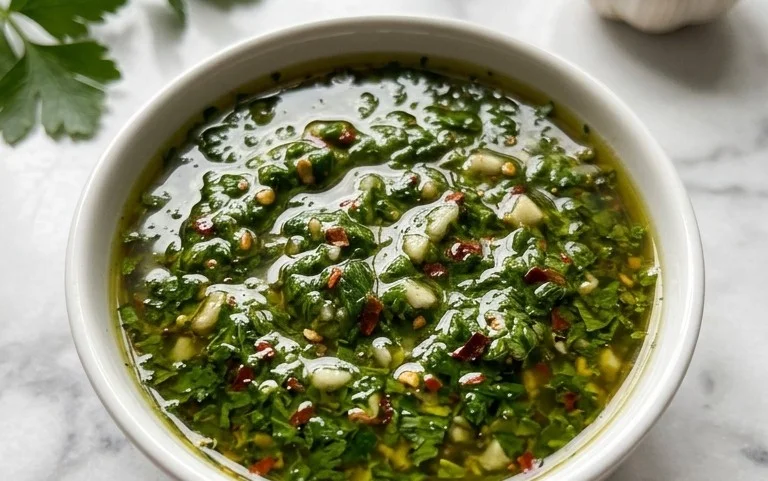
Chimichurri Sauce: The Vibrant Argentinean Elixir for Your Grill
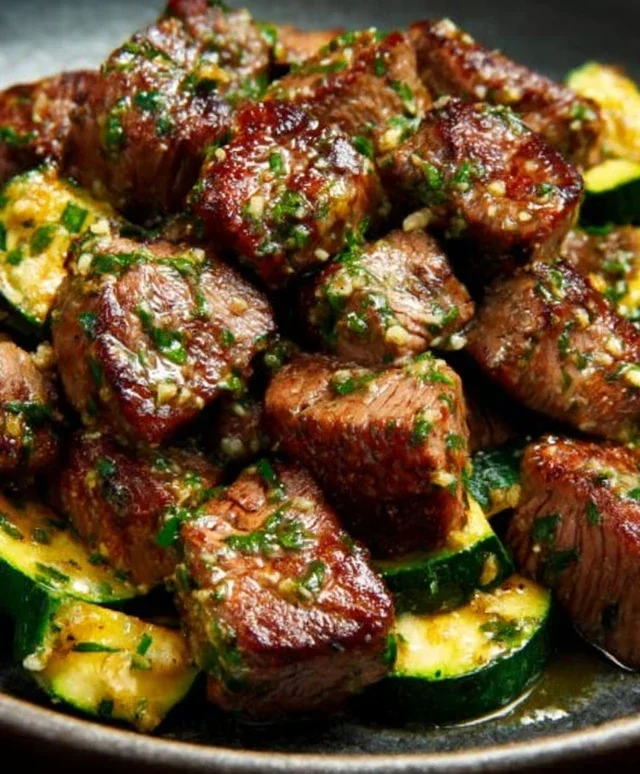
There are few sauces that possess the sheer vibrance and versatility of chimichurri. This bright, herbaceous, and slightly tangy concoction hails from Argentina, where it’s a beloved accompaniment to grilled meats, particularly steak. But don’t let its steakhouse reputation fool you; chimichurri is a culinary cbeef hameleon, capable of elevating everything from grilled vegetables and fish to sandwiches and roasted chicken. Its magic lies in its simplicity and the power of fresh ingredients. The uncooked nature of the sauce allows the herbs to shine, creating a fresh, punchy flavor that cuts through richness and awakens the palate. Making it at home is incredibly rewarding, and once you experience the explosion of flavor, you’ll find yourself reaching for it time and time again. It’s a staple in my kitchen, and I’m excited to share how easy it is to create this flavorful sauce.
Ingredients:
Crafting Your Chimichurri: A Step-by-Step Guide
Creating this vibrant sauce is a straightforward process, requiring minimal effort for maximum flavor impact. The key is in the preparation of the fresh ingredients.
1. Prepare the Fresh Herbs: This is arguably the most crucial step in achieving that authentic chimichurri flavor. Start by thoroughly washing your fresh parsley and cilantro. It’s important to ensure they are completely dry before you begin extract chopping. Excess water can dilute the flavor of the sauce and affect its texture. I like to use a salad spinner for this, followed by a gentle pat with a clean kitchen towel. Once dry, roughly chop the parsley and cilantro. For the oregano, if you’re using fresh, you’ll want to chop it finely, similar to how you would prepare basil. If you’re opting for dried oregano, you’ll simply measure out the 1 teaspoon. Set your prepared herbs aside in a medium-sized bowl.
2. Finely Mince the Aromatics: Next, we tackle the onion and garlic. For the red onion, you want to mince it very finely. If you find raw red onion too pungent for your liking, using a shallot will offer a milder, sweeter onion flavor. Aim for a mince so small that it almost resembles a paste. Similarly, peel and finely mince the garlic cloves. The goal here is to distribute these powerful flavors evenly throughout the sauce without having large, overpowering chunks. You can achieve a super-fine mince by using a sharp knife and rocking it back and forth over the ingredients, or by using a garlic press for the garlic. Add the minced red onion (or shallot) and garlic to the bowl with the chopped herbs.
3. Incorporate the Liquids and Seasonings: Now, it’s time to add the liquids that will bind our sauce together and provide its characteristic tang. Pour the red grape juice vinegar and fresh lemon juice into the bowl with the herbs and aromatics. The red grape juice vinegar offers a slightly sweeter, fruitier acidity compared to red grape juice vinegar, which is also a popular choice for chimichurri. The fresh lemon juice adds a bright, zesty lift. Next, add the salt and the optional red pepper flakes. If you enjoy a little heat, start with the 1/4 teaspoon of red pepper flakes and taste later to adjust. A little heat really complements the herbaceous notes. Stir everything together thoroughly to ensure the salt and pepper flakes are evenly distributed.
4. Emulsify with Olive Oil: The final step in building the base of our chimichurri is to add the olive oil. It’s important to use a good quality extra virgin extract olive oil for the best flavor. Slowly drizzle in the 3/4 cup of olive oil while continuously stirring or whisking. This process is called emulsification. As you incorporate the oil, the sauce will begin extract to thicken slightly and take on a cohesive texture. You’ll notice the colors of the herbs becoming more vibrant as they are coated in the oil. Continue stirring until all the olive oil is fully incorporated and the sauce has a beautiful, glossy appearance.
5. Rest and Adjust for Perfect Flavor: This is where patience truly pays off. Once you’ve mixed all the ingredients, cover the bowl and let the chimichurri rest for at least 15-30 minutes at room temperature. This resting period allows the flavors to meld and the herbs to soften slightly, releasing their essential oils. During this time, the garlic will also mellow a bit. After the resting period, taste the chimichurri. This is your chance to adjust the seasonings to your personal preference. Does it need more salt? A touch more acidity from the vinegar or lemon juice? Perhaps a bit more heat from the red pepper flakes? Don’t be afraid to experiment! The beauty of homemade chimichurri is its customizability. I often find myself adding a little extra pinch of salt or a tiny splash more lemon juice to achieve that perfect balance. Once you’re happy with the flavor, your chimichurri is ready to be served. For even deeper flavor development, you can refrigerate it for a few hours or even overnight, but be sure to bring it back to room temperature before serving for the best taste and texture.
Conclusion:
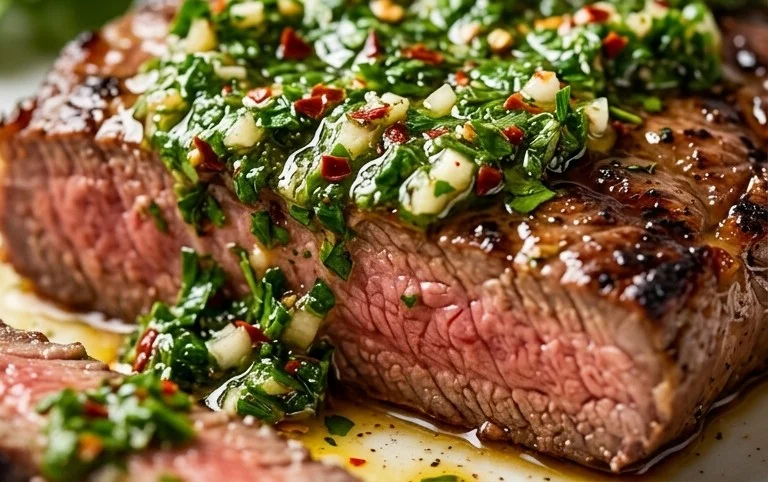
And there you have it – your guide to creating the most vibrant and flavorful Chimichurri Sauce! I truly hope you give this recipe a try. It’s incredibly simple to whip up, requiring minimal prep and just a handful of fresh ingredients, yet the payoff in terms of taste is immense. This herbaceous, zesty sauce is an absolute game-changer for so many dishes. Imagin extracte it drizzled over grilled steak, chicken, or fish, bringin extractg a burst of freshness that cuts through richness. It’s also fantastic with roasted vegetables, as a marinade, or even as a dip for crusty bread.
Don’t be afraid to experiment with variations! Some people love adding a pinch of red pepper flakes for a subtle kick, while others might incorporate a touch of lemon zest for extra brightness. You can even adjust the amount of garlic or parsley to suit your personal preference. The beauty of this Chimichurri Sauce lies in its adaptability. So, go forth, embrace the fresh herbs, and elevate your meals. I’m confident you’ll fall in love with its incredible versatility and delicious punch.
Frequently Asked Questions:
How long does Chimichurri Sauce last?
Stored in an airtight container in the refrigerator, your homemade Chimichurri Sauce should stay fresh for about 4-5 days. The olive oil acts as a preservative, but it’s always best to use it when the herbs are at their freshest for optimal flavor.
Can I freeze Chimichurri Sauce?
Yes, you absolutely can! For longer storage, freeze your chimichurri in an ice cube tray. Once frozen, transfer the cubes to a freezer-safe bag. This makes it super easy to thaw out just the amount you need for a quick flavor boost.
What if I don’t have red grape juice vinegar?
No problem at all! You can substitute it with white grape juice vinegar, apple cider vinegar, or even fresh lemon juice for a brighter, tangier flavor profile. The key is to have a good acidic component to balance the richness of the olive oil and herbs.
Chimichurri Sauce
A vibrant and flavorful Argentinian sauce, perfect for grilled meats or as a marinade. This recipe features a balanced mix of fresh herbs, garlic, and vinegar.
Ingredients
-
1 1/2 cups well packed (42g) fresh parsley
-
1/2 cup well packed (20g) fresh cilantro
-
1/4 cup (9g) fresh oregano or 1 tsp dried
-
1/4 small red onion or one small shallot
-
3 garlic cloves
-
3 Tbsp red grape juice vinegar
-
2 Tbsp fresh lemon juice
-
1/2 tsp salt, (then more to taste)
-
1/4 tsp red pepper flakes ((optional, more or less to taste))
-
3/4 cup olive oil
Instructions
-
Step 1
Finely chop the fresh parsley, cilantro, oregano (if using fresh), red onion (or shallot), and garlic cloves. You can do this by hand or pulse them in a food processor until finely minced, but not puréed. -
Step 2
In a medium bowl, combine the chopped herbs, onion/shallot, and garlic. -
Step 3
Add the red grape juice vinegar, fresh lemon juice, salt, and red pepper flakes (if using) to the bowl with the herb mixture. -
Step 4
Whisk all the ingredients together to combine. -
Step 5
Slowly drizzle in the olive oil while whisking continuously. This will emulsify the sauce slightly and create a cohesive texture. -
Step 6
Taste and adjust seasoning with more salt or red pepper flakes as needed. For best flavor, let the chimichurri sit for at least 30 minutes at room temperature before serving to allow the flavors to meld.
Important Information
Nutrition Facts (Per Serving)
It is important to consider this information as approximate and not to use it as definitive health advice.
Allergy Information
Please check ingredients for potential allergens and consult a health professional if in doubt.