Spicy Potato Noodles – Flavorful & Quick Recipe
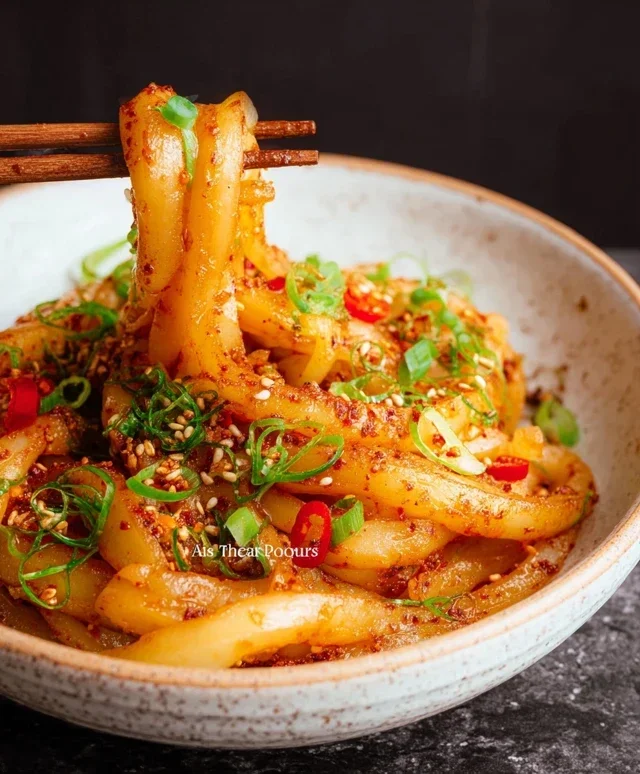
Spicy Potato Noodles are my absolute go-to when I’m craving something incredibly satisfying and bursting with flavor. Have you ever found yourself staring into the pantry, needing something more exciting than the usual suspects? That’s precisely where these phenomenal spicy potato noodles come in. They’re a culinary hug in a bowl, perfectly blending comforting starchiness with a tantalizing kick that keeps you coming back for more. The beauty of this dish lies in its deceptive simplicity – humble ingredients transform into something truly extraordinary. What makes these spicy potato noodles so special? It’s the magical interplay of textures: the tender, slightly chewy potato strands coated in a vibrant, fiery sauce, often enhanced with aromatic garlic, gin extractger, and a hint of umami. It’s a dish that awakens the senses and leaves you feeling utterly content, making it a beloved choice for quick weeknight dinners or impressive weekend treats.
Spicy Potato Noodles
Are you looking for a dish that’s both comforting and excitingly flavorful? Look no further! These Spicy Potato Noodles are a revelation. Forget everything you thought you knew about potato dishes; this recipe takes the humble spud and transforms it into chewy, satisfying noodles bathed in a vibrant, spicy sauce. It’s a dish that’s surprisingly easy to make at home, and the reward is a deeply satisfying meal that will tantalize your taste buds. The magic lies in the unique texture of the potato noodles themselves, which are tender yet possess a delightful chegrape juicess that holds up beautifully to the punchy sauce. This recipe is a fantastic option for a weeknight dinner when you’re craving something beyond the usual pasta, or even for impressing guests with a unique homemade specialty. Get ready to dive into a bowl of pure deliciousness!
Ingredients:
Making the Potato Noodles
This is where the real magic happens! We’re going to create our own incredibly satisfying noodles from scratch using potatoes and potato starch. The process might seem a little unusual, but trust me, the results are worth it.
1. Cook the Potatoes: Start by placing your peeled and cut potato pieces in a medium saucepan. Add enough water to cover the potatoes by about an inch, and then add the ½ teaspoon of salt. Bring the water to a boil over medium-high heat, then reduce the heat to medium-low and simmer until the potatoes are fork-tender. This usually takes about 15-20 minutes, depending on the size of your potato pieces. You want them to be easily mashable but not mushy. Once tender, drain the potatoes thoroughly. It’s important to get rid of as much excess water as possible at this stage.
2. Mash and Combine with Starch: Return the drained potatoes to the hot, dry saucepan. Mash them until they are as smooth as possible. You can use a potato masher or even a sturdy fork for this. Let the mashed potatoes sit for a few minutes to allow any remaining steam to escape. This is a crucial step for achieving the right noodle texture. Now, gradually add the 1½ cups of potato starch to the mashed potatoes. Begin extract mixing with a spoon or spatula. The mixture will start to come together into a shaggy dough. Once it’s too stiff to mix with a spoon, use your hands to knead the dough until it’s smooth and no dry potato starch remains. It should feel pliable and elastic. If the dough feels too sticky, you can add a tablespoon more potato starch at a time. If it feels too dry and crum extractbly, you can add a tiny bit of water, but be very sparing.
3. Shape the Noodles: Lightly flour a clean work surface and your hands with a little extra potato starch. Divide the potato dough into 2-3 portions for easier handling. Roll each portion into a long log, about ½ to ¾ inch in diameter. Then, using a sharp knife or a bench scraper, cut the logs into desired noodle lengths, about 3-4 inches long. Alternatively, you can flatten the dough slightly and then cut it into strips. You can also roll the logs into slightly flattened, wider noodles if you prefer. As you cut the noodles, you can gently press them to give them a slightly flatter shape, which will help them cook more evenly. Lay the cut noodles on a lightly floured surface, making sure they don’t stick together.
4. Cook the Noodles: Bring a large pot of water to a rolling boil. Carefully add the potato noodles to the boiling water. Don’t overcrowd the pot; cook them in batches if necessary. Stir gently to prevent them from sticking to the bottom. The noodles will sink at first, but as they cook, they will float to the surface. Once they float, continue to cook them for another 2-3 minutes, or until they are tender and slightly chewy. This cooking time can vary, so taste one to check for doneness. Once cooked, use a slotted spoon to carefully remove the noodles from the boiling water and transfer them to a colander to drain any excess water. You can rinse them briefly with cool water if you plan to toss them with sauce immediately to prevent them from sticking further, but don’t overdo it or you’ll lose some of their lovely chegrape juicess.
Whipping Up the Spicy Sauce
While your noodles are cooking or draining, let’s prepare the flavor-packed sauce that will bring everything together. This sauce is a beautiful balance of savory, tangy, and spicy notes, with a touch of sweetness to round it out.
1. Combine Sauce Ingredients: In a medium bowl, whisk together the 2 tablespoons of regular soy sauce, 2 tablespoons of Chinese black vinegar, 2 tablespoons of gochugaru (coarse), 1¼ teaspoons of granulated sugar, and ⅛ teaspoon of salt. Whisk until the sugar and salt are fully dissolved. The gochugaru is the key to the heat, so adjust the amount to your spice preference. If you prefer a milder kick, you can use less, or if you like it extra fiery, you can add a touch more. The Chinese black vinegar provides a wonderfully complex, malty tang that’s different from regular white vinegar.
2. Sauté Aromatics: Heat the 3 tablespoons of oil in a large skillet or wok over medium heat. Once the oil is shimmering, add the 2 tablespoons of minced garlic and stir-fry for about 30 seconds until fragrant. Be careful not to burn the garlic, as burnt garlic can turn bitter. Add the sliced green onion and stir-fry for another 30 seconds, just until they start to soften slightly and release their aroma.
3. Combine Noodles and Sauce: Pour the prepared sauce mixture into the skillet with the garlic and green onions. Bring the sauce to a gentle simmer. Add the drained potato noodles directly into the skillet with the sauce. Toss everything together gently using tongs or spatulas, ensuring that each noodle is coated in the delicious spicy sauce. Continue to cook for another 1-2 minutes, allowing the noodles to absorb the flavors of the sauce and heat through.
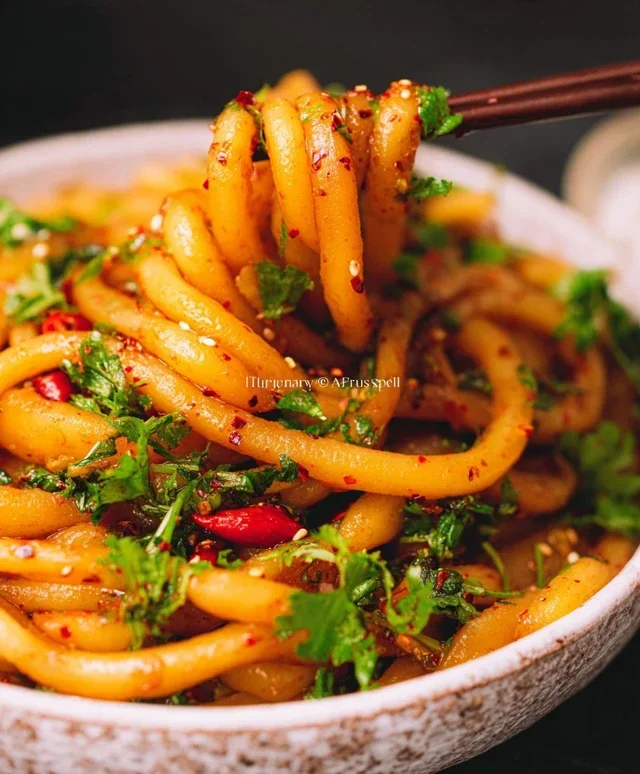
4. Garnish and Serve: Once the noodles are well-coated and heated, remove the skillet from the heat. Garnish generously with the ⅓ cup of roughly chopped cilantro. The fresh, herbaceous cilantro provides a bright counterpoint to the rich, spicy sauce. Serve immediately and enjoy the incredible texture and flavor of your homemade Spicy Potato Noodles! These are best enjoyed fresh, but leftovers can be stored in an airtight container in the refrigerator for up to 2 days. Reheat gently on the stovetop or in the microwave.
Conclusion:
I hope you’re as excited as I am to try these delicious Spicy Potato Noodles! This recipe is a fantastic way to elevate humble ingredients into a truly satisfying and flavorful meal. The tender potato noodles, infused with a bold and spicy kick, are incredibly versatile and can be enjoyed as a main course or a flavorful side dish. They offer a delightful chegrape juicess that’s truly addictive, and the buildable spice level means you can customize it to your perfect heat preference. Don’t be intimidated by making your own noodles; it’s a surprisingly simple and rewarding process that makes all the difference.
For serving suggestions, these Spicy Potato Noodles pair wonderfully with a refreshing cucumber salad to balance the heat, or with some simple grilled protein like chicken or tofu. You can also toss in some stir-fried vegetables for added texture and nutrients. For variations, consider adding a teaspoon of toasted sesame oil for nutty depth, or a pinch of smoked paprika for a smoky undertone. Feel free to experiment with different chili pastes or sauces to find your favorite spicy profile. I encourage you to give this recipe a try; I’m confident it will become a new favorite in your kitchen!
Frequently Asked Questions:
Can I make the potato noodles ahead of time?
Yes, you absolutely can! Once you’ve made the potato noodle dough, you can wrap it tightly in plastic wrap and refrigerate it for up to 24 hours. Just ensure it’s well-senon-alcoholic aled to prevent it from drying out. You might need to knead it briefly again before shaping if it feels a little firm.
What kind of potatoes work best for these noodles?
Starchy potatoes like Russets or Yukon Golds are generally recommended. They provide the right texture for the noodles to be tender and slightly chewy. Waxy potatoes might result in a firmer, less yielding noodle.
Spicy Potato Noodles
Chewy and tender potato noodles coated in a savory and spicy sauce, finished with fresh aromatics and herbs.
Ingredients
-
1.1 pounds russet potato (peeled and cut into 1 inch pieces)
-
½ teaspoon salt
-
1½ cup potato starch
-
½ cup water (warm)
-
2 tablespoons regular soy sauce
-
2 tablespoons Chinese black vinegar
-
2 tablespoons gochugaru (coarse)
-
1¼ teaspoons granulated sugar
-
⅛ teaspoon salt
-
2 tablespoons garlic (minced)
-
1 stalk green onion (sliced)
-
3 tablespoons oil (any neutral oil)
-
⅓ cup cilantro (roughly chopped)
Instructions
-
Step 1
Boil the potato pieces in salted water until fork-tender. Drain thoroughly and mash or rice the potatoes until smooth. Allow to cool slightly. -
Step 2
In a bowl, combine the mashed potato with 1½ cups potato starch and ½ teaspoon salt. Mix until a shaggy dough forms. Knead gently until smooth and elastic. -
Step 3
Roll out the dough thinly on a lightly floured surface. Cut into noodle shapes, about ¼ inch thick. Dust with a little more potato starch to prevent sticking. -
Step 4
In a small bowl, whisk together soy sauce, Chinese black vinegar, gochugaru, granulated sugar, and ⅛ teaspoon salt. -
Step 5
Bring a pot of water to a boil. Cook the potato noodles for 2-3 minutes, or until they float to the surface and are tender. Drain well. -
Step 6
In a large skillet or wok, heat the neutral oil over medium heat. Add minced garlic and sliced green onion, and sauté until fragrant, about 1 minute. -
Step 7
Add the drained potato noodles to the skillet. Pour the prepared sauce over the noodles. Toss gently to coat evenly. Cook for another 1-2 minutes, allowing the sauce to thicken slightly. -
Step 8
Serve the spicy potato noodles immediately, garnished with roughly chopped cilantro.
Important Information
Nutrition Facts (Per Serving)
It is important to consider this information as approximate and not to use it as definitive health advice.
Allergy Information
Please check ingredients for potential allergens and consult a health professional if in doubt.