Easy Homemade Bread Recipe- Simple & Delicious
Easy Homemade Bread is a dream for many of us, a gateway to aromas that fill the kitchen with pure comfort. Have you ever imagin extracted pulling a warm, crusty loaf from your own oven, the scent of baked goodness wafting through your home? It’s a sensation that’s hard to beat, and surprisingly, it’s far more achievable than you might think! People adore homemade bread for its unparalleled freshness, its customizable texture, and the sheer satisfaction of creating something so fundamental from scratch. What makes this particular easy homemade bread recipe so special is its simplicity. We’re talking minimal fuss, no complex techniques, and ingredients you likely already have on hand. Forget the intimidation factor; this is your friendly invitation to experience the joy of baking your own delicious bread, and I promise, you’ll be hooked.
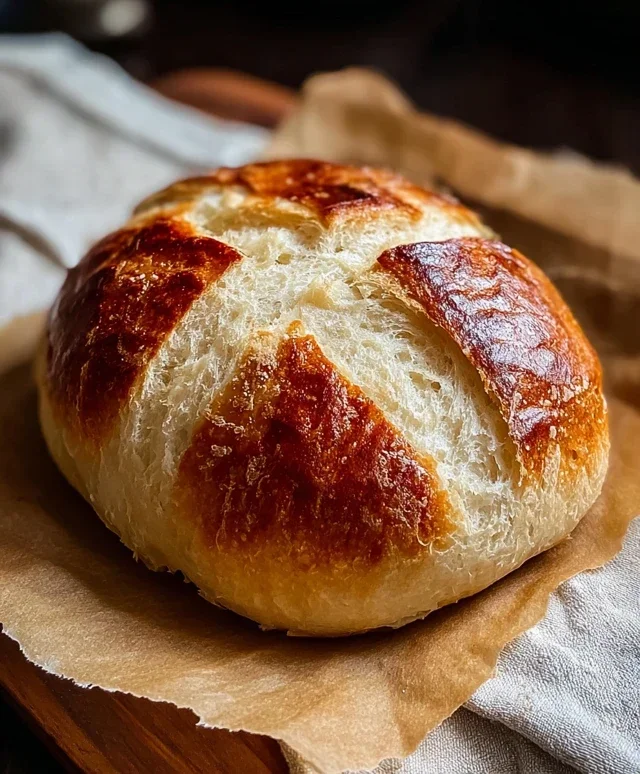
Easy Homemade Bread
There’s something incredibly satisfying about pulling a warm, crusty loaf of homemade bread from your own oven. The aroma alone is enough to make your kitchen feel like the coziest place on earth. Many people shy away from baking bread, thinking it’s a complicated or time-consuming process, but I’m here to tell you that it’s surprisingly achievable, even for begin extractners. This recipe is designed to be straightforward, forgiving, and most importantly, delicious. Forget about those store-bought loaves that often lack flavor and texture; we’re about to embark on a journey to create a truly wonderful bread that you’ll be proud to share (or, let’s be honest, devour yourself!).
The magic of this recipe lies in its simplicity. With just a few staple ingredients, you can transform humble flour and water into a culinary masterpiece. We’re going to focus on developing good flavor and a beautiful crust, all while keeping the process manageable. So, gather your ingredients, put on some cheerful music, and let’s get baking!
Ingredients:
Getting Started: Mixing the Dough
The first step in our bread-making adventure is to activate the yeast and combine our ingredients. It’s important to use warm water, not hot, as water that’s too hot can kill the yeast, and water that’s too cold won’t activate it effectively. The ideal temperature is somewhere between 105°F and 115°F (40°C to 46°C), which should feel comfortably warm to the touch, like a baby’s bathwater.
In a large mixing bowl, pour in your 1 ½ cups of warm water. Sprinkle the 1 packet (2 ¼ teaspoons) of instant yeast over the surface of the water. You don’t need to stir it immediately; just let it sit for about 5-10 minutes. You should start to see a foamy layer develop on the surface of the water. This is a good sign that your yeast is alive and ready to work its magic. If you don’t see any foam, your yeast might be expired or the water temperature was off, and you’ll want to start with fresh yeast and appropriately tempered water.
Once your yeast is foamy, add your 3 cups of bread flour (or all-purpose flour) to the bowl. Bread flour generally has a higher protein content, which develops more gluten and results in a chewier bread with a better crust, but all-purpose flour will absolutely do the job and still yield a fantastic loaf. Finally, add the 2 ½ teaspoons of kosher salt. Kosher salt has larger flakes and dissolves more easily than table salt, and its flavor is generally preferred in baking.
Kneading the Dough
Now comes the part that some find daunting, but I promise it’s therapeutic: kneading! You can do this by hand or with a stand mixer. If you’re kneading by hand, gently stir the ingredients in the bowl with a wooden spoon or spatula until a shaggy dough forms. Then, turn the dough out onto a lightly floured surface.
Begin extract to knead the dough by folding it over onto itself and pushing down and away with the heels of your hands. Rotate the dough and repeat this process. It might seem sticky and messy at first, but as you knead, the gluten will develop, and the dough will become smoother, more elastic, and less sticky. This typically takes about 8-10 minutes of consistent kneading. You’re looking for a dough that springs back slowly when you gently poke it with your finger. If the dough is too sticky, you can add a tiny bit more flour, no more than a tablespoon at a time. Conversely, if it feels too dry, you can dampen your hands slightly.
If you’re using a stand mixer, attach the dough hook and mix on low speed for about 6-8 minutes. The dough should pull away from the sides of the bowl and become smooth and elastic.
First Rise (Proofing)
Once your dough is properly kneaded, it’s time for its first rise, also known as proofing. Lightly grease a clean bowl with a little bit of oil or cooking spray. Place your kneaded dough into the bowl, turning it once to coat all sides with the oil. This prevents the surface of the dough from drying out.
Cover the bowl tightly with plastic wrap or a clean kitchen towel. Place the bowl in a warm, draft-free spot in your kitchen. This could be on top of your refrigerator, in a slightly warmed (but turned off) oven, or simply in a sunny spot on your counter. The dough needs a warm environment to rise properly. Let the dough rise for about 1 to 1 ½ hours, or until it has doubled in size. This can vary depending on the temperature of your kitchen. You’ll know it’s ready when you can gently press an indentation into the dough with your finger, and the indentation remains.
Shaping and Second Rise
After the dough has doubled in size, it’s time to punch it down! This releases the built-up gases and makes the dough easier to handle. Gently punch down the center of the dough with your fist. Turn the dough out onto a lightly floured surface once more.
Now, you can shape your dough into your desired loaf. For a classic loaf, gently form it into a round or an oblong shape. Be careful not to overwork the dough at this stage, as you want to preserve some of the air bubbles that have formed during the first rise. If you’re making a sandwich-style loaf, you’ll want to shape it into an oblong and place it into a greased loaf pan. If you’re making a rustic boule (round loaf), you can simply place it on a baking sheet lined with parchment paper or dusted with cornmeal.
Once shaped, cover the loaf loosely with a clean kitchen towel and let it rise again for another 30-45 minutes. This second rise is crucial for developing the final texture and volume of your bread.
Baking Your Loaf
Preheat your oven to 425°F (220°C) about 20 minutes before your second rise is complete. If you’re using a baking sheet, you can place a pan of water on the bottom rack of your oven to create steam. This steam helps create a wonderfully crisp crust.
Carefully place your shaped loaf into the preheated oven. Bake for 30-35 minutes, or until the crust is a deep golden brown and the internal temperature of the bread reaches around 200°F (93°C) on an instant-read thermometer. You can also tell if your bread is done by tapping the bottom of the loaf; it should sound hollow.
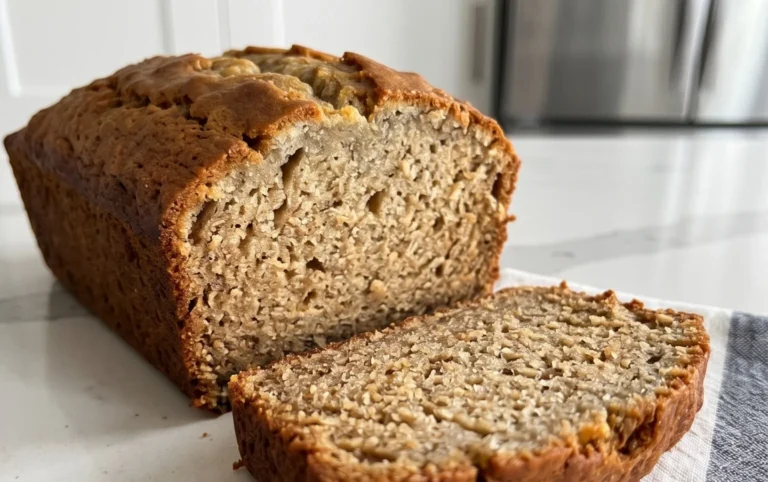
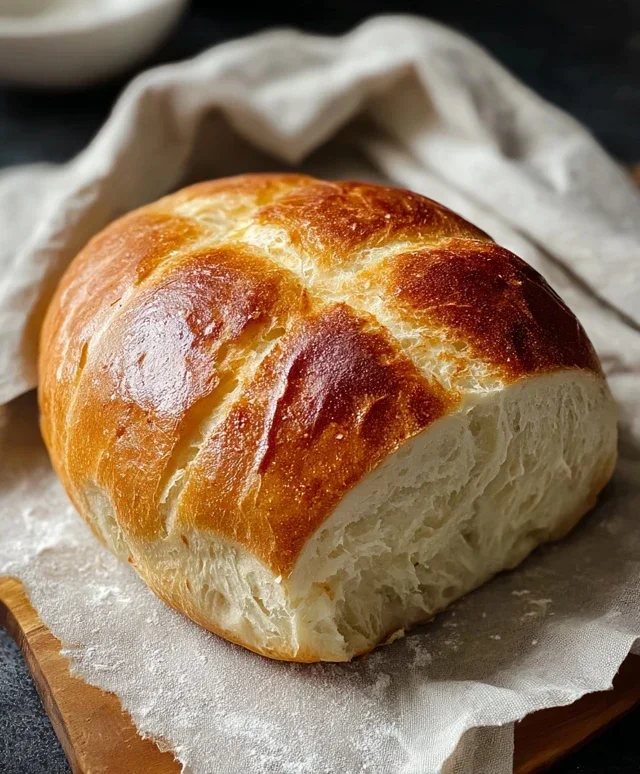
Once baked, immediately remove the bread from the loaf pan (if using one) and place it on a wire rack to cool completely. This step is vital, as it allows the steam to escape and prevents the bottom of the bread from becoming soggy. Resist the urge to slice into it too soon – the wait will be worth it! Enjoy your beautiful, easy, homemade bread!
Conclusion:
So there you have it – a truly easy homemade bread recipe that’s perfect for begin extractners and busy bakers alike! We’ve shown you just how simple it is to transform a few basic ingredients into a warm, fragrant loaf that will elevate any meal. The satisfaction of pulling your own freshly baked bread from the oven is truly unparalleled, and this recipe makes that achievable for everyone. Don’t be intimidated; this process is forgiving and incredibly rewarding.
This versatile bread is fantastic served warm with butter, used for hearty sandwiches, or as a delicious accompaniment to soups and stews. Feel free to get creative with variations! Try adding a sprinkle of dried herbs like rosemary or thyme to the dough, or mix in some shredded cheese for a savory twist. A touch of honey or a swirl of cinnamon can also turn it into a delightful sweet bread option.
I truly encourage you to give this recipe a try. You might be surprised at how easy and enjoyable the process is. The aroma that fills your kitchen will be a testament to your success, and the taste will be even better. Happy baking!
Frequently Asked Questions:
Why did my bread not rise properly?
Several factors can affect rising. Ensure your yeast is fresh and activated correctly. Check that your kitchen isn’t too cold, as this can slow down the yeast activity. Over-kneading or under-kneading can also impact the structure. Be patient during the rising stages; a warm, draft-free spot is crucial.
Can I make this bread ahead of time?
Absolutely! Once cooled, this easy homemade bread can be stored in an airtight container or bread bag at room temperature for 2-3 days. For longer storage, you can slice it and freeze it, toasting individual slices as needed.
Easy Homemade Bread
A simple and straightforward recipe for delicious homemade bread, perfect for beginners.
Ingredients
-
1 ½ cups warm water
-
3 cups bread flour
-
1 packet Instant Yeast
-
2 ½ tsp kosher salt
-
1 tbsp olive oil
Instructions
-
Step 1
In a large bowl, combine warm water and instant yeast. Let stand for 5 minutes until foamy. -
Step 2
Add bread flour, kosher salt, and olive oil to the bowl. Mix until a shaggy dough forms. -
Step 3
Turn dough out onto a lightly floured surface and knead for 5-7 minutes until smooth and elastic. -
Step 4
Place dough in a lightly oiled bowl, cover with plastic wrap, and let rise in a warm place for 30 minutes, or until doubled in size. -
Step 5
Punch down dough, shape into a loaf, and place on a baking sheet or in a loaf pan. -
Step 6
Bake in a preheated oven at 375°F (190°C) for 30 minutes, or until golden brown and sounds hollow when tapped.
Important Information
Nutrition Facts (Per Serving)
It is important to consider this information as approximate and not to use it as definitive health advice.
Allergy Information
Please check ingredients for potential allergens and consult a health professional if in doubt.