Easy Miso Soup Recipe- Quick Delicious Comfort
Miso soup recipe, a cornerstone of Japanese cuisine, is more than just a starter; it’s a warm hug in a bowl. I’ve always been captivated by its comforting simplicity and the depth of flavor it offers, making it a dish I crave whenever I need a moment of calm. There’s a reason why this humble bowl is so beloved. It’s the perfect balance of savory, umami-rich miso paste, a delicate dashi broth, and those delightful little additions that make each spoonful a revelation. What truly makes this miso soup recipe special is its versatility. Whether you prefer the classic silken tofu and wakame, or enjoy experimenting with additions like mushrooms, green onions, or even a sprinkle of sesame seeds, you can tailor it to your exact taste. It’s incredibly easy to prepare, making it an ideal quick lunch or a satisfying side dish for any meal.
Miso Soup Recipe
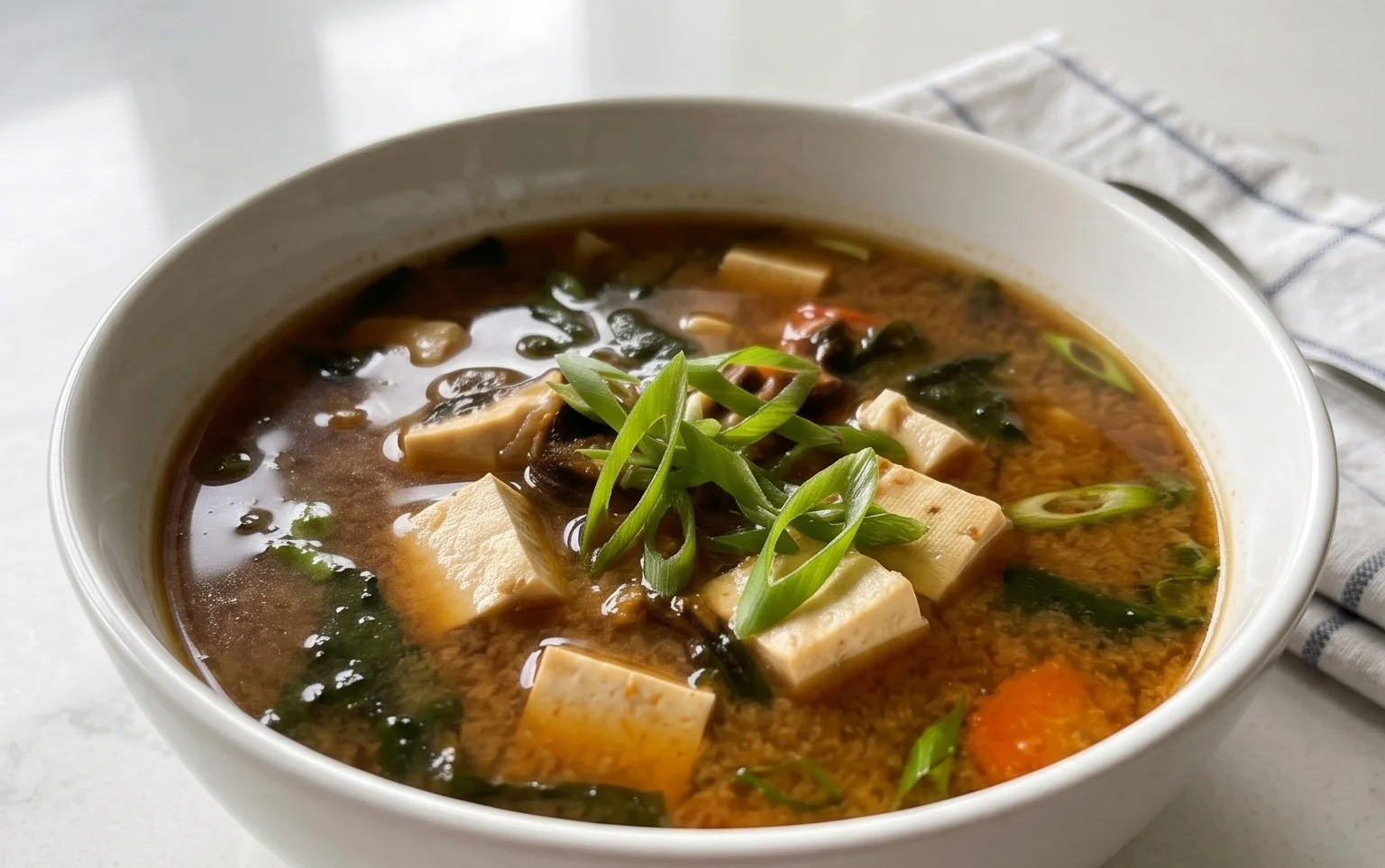
There’s a comforting warmth that washes over you with a steaming bowl of miso soup. It’s a staple in Japanese cuisine, a simple yet incredibly flavorful broth that can be enjoyed any time of day. Whether you’re seeking a light starter, a healthy addition to your lunch, or a soothing end to your dinner, this miso soup recipe is incredibly versatile and surprisingly easy to make at home. Forget the instant packets; the depth of flavor you can achieve with just a few key ingredients is truly remarkable.
Miso soup is built on a foundation of dashi, a fundamental Japanese stock that provides a subtle umami backbone. Combined with the fermented goodness of miso paste, the delicate texture of silken tofu, and the refreshing bite of scallions, it’s a dish that satisfies on multiple levels. I often find myself craving it when I need a bit of nourishment and comfort, and the best part is that it comes together in a matter of minutes. Let’s dive into how you can create this delightful soup in your own kitchen.
Ingredients:
Preparing Your Ingredients
Before we begin extract the cooking process, let’s ensure all our ingredients are prepped and ready to go. This will make the cooking phase smooth and efficient.
First, let’s address the dried seaweed. I like to use wakame, as it rehydrates beautifully and has a lovely texture. Place the 1 heaping tablespoon of dried seaweed in a small bowl and cover it with cool water. Let it sit for about 5-10 minutes, or until it has softened and expanded. Once rehydrated, gently squeeze out any excess water. If the pieces are still quite large, you can give them a quick chop to make them more manageable in the soup.
Next, we have the silken tofu. This type of tofu is incredibly delicate and smooth, making it perfect for miso soup. Gently remove it from its packagin extractg and drain off any excess liquid. Using a sharp knife, carefully cut the block of tofu into small, bite-sized cubes, about ½ inch in size. Be gentle, as silken tofu can break apart easily.
Finally, prepare your scallions. Wash them thoroughly and then chop them finely. These will be used as a fresh, vibrant garnish at the end.
Cooking the Miso Soup
Now for the fun part – bringin extractg all these wonderful ingredients together to create our delicious miso soup.
1. Heat the Dashi: Pour the 2½ cups of dashi into a medium saucepan. Place the saucepan over medium heat and bring it to a gentle simmer. You don’t want a rolling boil, just a soft bubbling that indicates the dashi is warm and ready for the next steps. Warming the dashi is crucial as it forms the base of our soup and will infuse the other ingredients with its delicate flavor.
2. Add the Seaweed: Once the dashi is simmering, add the rehydrated dried seaweed to the pot. Stir it gently into the warm dashi. Allow the seaweed to simmer in the dashi for about 2-3 minutes. This brief cooking time allows the seaweed to soften further and release its subtle oceanic flavor into the broth.
3. Incorporate the Tofu: Carefully add the pre-cut silken tofu pieces to the simmering dashi and seaweed mixture. Try to add them gently so they don’t break apart too much. Let the tofu heat through for another 1-2 minutes. The goal here is to warm the tofu without overcooking it, maintaining its delicate, melt-in-your-mouth texture.
4. Dissolve the Miso Paste: This is a crucial step and where the magic of miso soup truly happens. Reduce the heat to low. In a small bowl or a ladle, add the 2-2½ tablespoons of miso paste. Gradually ladle a small amount of the warm dashi from the pot into the bowl or ladle with the miso paste. Stir the miso paste and dashi together until the paste is completely dissolved and smooth, with no lumps. This technique, called tempering, prevents the miso paste from clumping in the soup and ensures an even distribution of flavor. You can adjust the amount of miso paste based on your preference for saltiness and depth of flavor. Start with 2 tablespoons and taste, adding more if desired.
5. Combine and Serve: Pour the dissolved miso mixture back into the saucepan with the dashi, seaweed, and tofu. Stir gently to combine. Heat the soup for another minute or so, but do not boil it after adding the miso. Boiling miso paste can diminish its flavor and beneficial properties. Once the soup is heated through, remove it from the heat. Ladle the hot miso soup into individual bowls. Garnish generously with the chopped scallions. The vibrant green of the scallions adds a beautiful visual contrast and a fresh, aromatic finish to the soup.
Enjoy your homemade miso soup immediately! It’s a simple, nourishing, and deeply satisfying dish that brings a taste of Japan right to your table.
Conclusion:
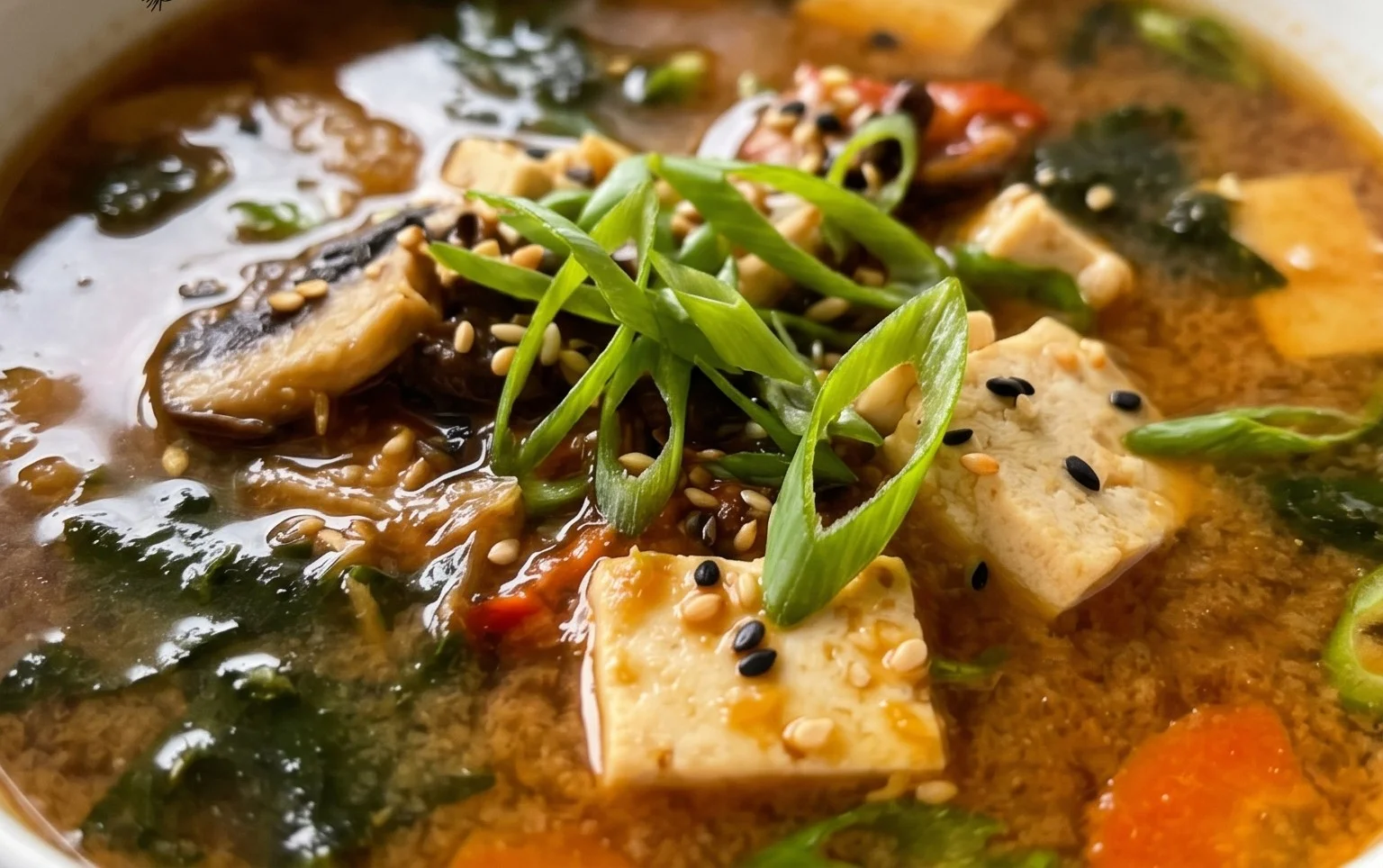
And there you have it – a simple yet incredibly satisfying miso soup recipe that’s perfect for any time of day! This recipe is fantastic because it’s quick, healthy, and bursting with umami flavor that’s both comforting and invigorating. Whether you’re looking for a light starter, a nourishing lunch, or a warm accompaniment to a larger meal, this adaptable miso soup is a winner. Don’t be afraid to get creative with your ingredients; this recipe is a wonderful canvas for your culinary imagin extractation. I truly encourage you to try making this delicious miso soup at home. You’ll be amazed at how easy it is to achieve such authentic and delightful results!
Frequently Asked Questions:
What kind of miso paste should I use?
You can use white miso (shiro miso) for a milder, sweeter flavor, or red miso (aka miso) for a more robust, savory taste. A combination of both is also excellent! The type of miso paste you choose will significantly impact the final flavor profile of your miso soup.
Can I add other vegetables to my miso soup?
Absolutely! This recipe is incredibly versatile. Feel free to add sliced mushrooms (shiitake or enoki are great), bok choy, spinach, or even some diced daikon radish. Just ensure they are cooked until tender before serving.
How long does miso soup last in the refrigerator?
Miso soup is best enjoyed fresh, but it can be stored in an airtight container in the refrigerator for up to 2-3 days. Reheat gently, being careful not to boil the soup vigorously, as this can diminish the delicate flavors and beneficial probiotics.
Miso Soup Recipe
A simple and comforting traditional Japanese miso soup.
Ingredients
-
2½ cups Dashi
-
1 heaping tablespoon dried seaweed
-
4 oz silken tofu (cut into small pieces)
-
2-2½ tablespoons white miso paste (or to taste)
-
1 tablespoon scallion (chopped)
-
1 teaspoon soy sauce
-
½ teaspoon mirin
Instructions
-
Step 1
Rehydrate the dried seaweed in a small bowl of water for about 5-10 minutes. Drain and set aside. -
Step 2
In a medium saucepan, bring the Dashi to a gentle simmer over medium heat. Do not boil. -
Step 3
Add the rehydrated seaweed and silken tofu pieces to the simmering Dashi. -
Step 4
In a separate small bowl, whisk the miso paste with a ladleful of the hot Dashi until smooth. This prevents clumps. -
Step 5
Gently stir the dissolved miso mixture into the saucepan. Heat through for about 1-2 minutes, but do not boil, as this can diminish the miso’s flavor and aroma. -
Step 6
Stir in the soy sauce and mirin. -
Step 7
Ladle the miso soup into bowls and garnish with chopped scallions before serving.
Important Information
Nutrition Facts (Per Serving)
It is important to consider this information as approximate and not to use it as definitive health advice.
Allergy Information
Please check ingredients for potential allergens and consult a health professional if in doubt.