Homemade Pâtes de Fruits – No Corn Syrup Recipe
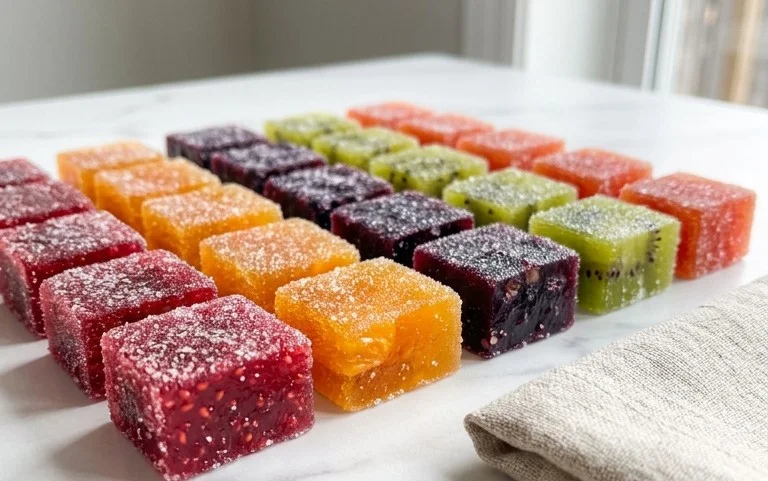
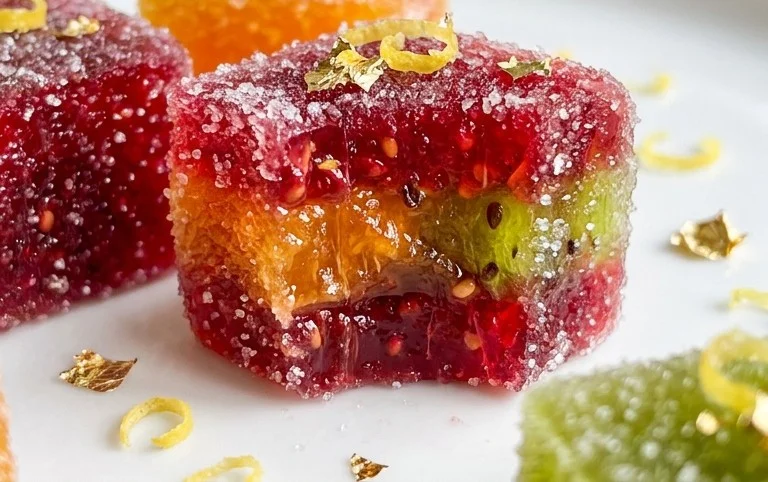
Homemade pâtes de fruits are a delightful journey into pure, unadulterated fruit flavor, elevated to a chewy, jewel-like confection. Forget those overly sweet, often artificial-tasting candies you find in stores; we’re talking about creating something truly special, something that sings with the essence of ripe berries, tangy citrus, or exotic tropical fruits. People adore homemade pâtes de fruits because they offer an intensely satisfying burst of natural sweetness, a perfect balance of fruitiness and just the right amount of chew. What truly sets our homemade pâtes de fruits apart, especially when we make them without corn syrup, is the ability to control the ingredients and achieve a cleaner, brighter flavor profile. This recipe is all about showcasing the fruit itself, creating little bursts of sunshine that are as beautiful as they are delicious. Get ready to impress yourself and everyone you share these with!
Homemade Pâtes de Fruits (no corn syrup)
There’s something incredibly delightful about the vibrant, chewy texture and intense fruit flavor of pâtes de fruits. Often found in artisanal candy shops, these jewel-like confections can seem intimidating to make at home, especially when many recipes rely on corn syrup. But I’m here to tell you that you can achieve that perfect balance of sweetness and fruitiness, with a wonderfully yielding texture, without a drop of corn syrup in sight! My secret? A good quality classic pectin and a little bit of patience. These homemade pâtes de fruits are a testament to the beauty of simple, quality ingredients. Imagin extracte gifting these to friends and family, or simply enjoying a little burst of sunshine from your own kitchen. The process is surprisingly straightforward, and the results are incredibly rewarding.
Ingredients:
*A note on pectin: For this recipe, it’s crucial to use “classic” or “traditional” pectin, often found in a box in the canning aisle of your grocery store. This type of pectin requires sugar and acid (like the lemon juice in our recipe) to set properly. Do not use low-sugar or no-sugar-added pectin, as it will not work with these ingredients.
Cooking Instructions:
Let’s get started on creating these little gems!
Conclusion:
Congratulations, you’ve unlocked the secret to creating delicious, vibrant homemade pâtes de fruits without the use of corn syrup! This recipe is truly wonderful because it allows you to control the exact flavors and sweetness, resulting in a pure, unadulterated fruit experience. The natural pectin from the fruit creates that perfect chewy texture, offering a sophisticated and healthier alternative to store-bought versions. Imagin extracte gifting these beautiful little jewels or simply enjoying them as a special treat after dinner. They’re fantastic on their own, but also make a delightful addition to a cheese board or as a colourful garnish on desserts. Don’t be afraid to experiment with different fruit combinations – berries, tropical fruits like mango and passionfruit, or even citrus zests can be incorporated for endless delicious possibilities. I encourage you to dive in and give this recipe a try; you’ll be so proud of the delightful results!
Frequently Asked Questions:
Why did my pâtes de fruits not set properly?
The most common reason for pâtes de fruits not setting is insufficient cooking temperature. Ensure your mixture reaches at least 105-110°C (220-230°F) on a candy thermometer. This temperature is crucial for activating the pectin and achieving the firm, yet chewy texture. Overcooking can also lead to a too-hard candy, so precision with your thermometer is key.
Can I use other types of fruit purées?
Absolutely! This recipe is incredibly versatile. While we’ve focused on a classic fruit base, feel free to substitute with your favorite purées. Keep in mind that fruits with lower natural pectin, like strawberries or raspberries, might benefit from a touch of added pectin if you desire a firmer set. Adjusting sugar content may also be necessary depending on the natural sweetness of your chosen fruit.
Homemade Pâtes de Fruits (no corn syrup)
A delightful homemade fruit jelly candy, made without corn syrup, offering a burst of pure fruit flavor. Perfect for a sweet treat or a homemade gift.
Ingredients
-
2 cups fruit juice (orange and pomegranate)
-
1 cup granulated sugar, plus more for coating
-
3 tablespoons classic pectin
-
1 tablespoon freshly squeezed lemon juice
Instructions
-
Step 1
In a medium saucepan, whisk together the fruit juice and granulated sugar until well combined. Sprinkle the pectin evenly over the mixture. -
Step 2
Place the saucepan over medium heat and stir constantly until the sugar is dissolved and the mixture comes to a boil. Continue to boil for 1 minute, stirring continuously. -
Step 3
Remove from heat and stir in the freshly squeezed lemon juice. -
Step 4
Pour the mixture into an 8×8 inch baking dish lined with parchment paper. Let it cool at room temperature for 1 hour, then refrigerate for at least 4 hours, or until firm. -
Step 5
Once firm, cut the fruit jelly into desired shapes (squares or small candies) using a sharp knife or cookie cutters. -
Step 6
Toss the cut pâtes de fruits in granulated sugar to coat them. Store in an airtight container at room temperature for up to 2 weeks.
Important Information
Nutrition Facts (Per Serving)
It is important to consider this information as approximate and not to use it as definitive health advice.
Allergy Information
Please check ingredients for potential allergens and consult a health professional if in doubt.